ChatGPT Business Hub vs Google Business Profile: What UK Businesses Can Actually Do Today
OpenAI’s new Business Hub is already being compared with Google Business Profile. Here is what UK businesses need to know, without the hype.
Paul Fowler
Digital marketing specialist · 25+ years' experience
Facts and availability checked: 13 November 2026.
OpenAI has launched Businesses in ChatGPT in beta, giving some businesses the ability to claim and manage information through a new Business Hub.
Inevitably, it is already being compared with Google Business Profile.
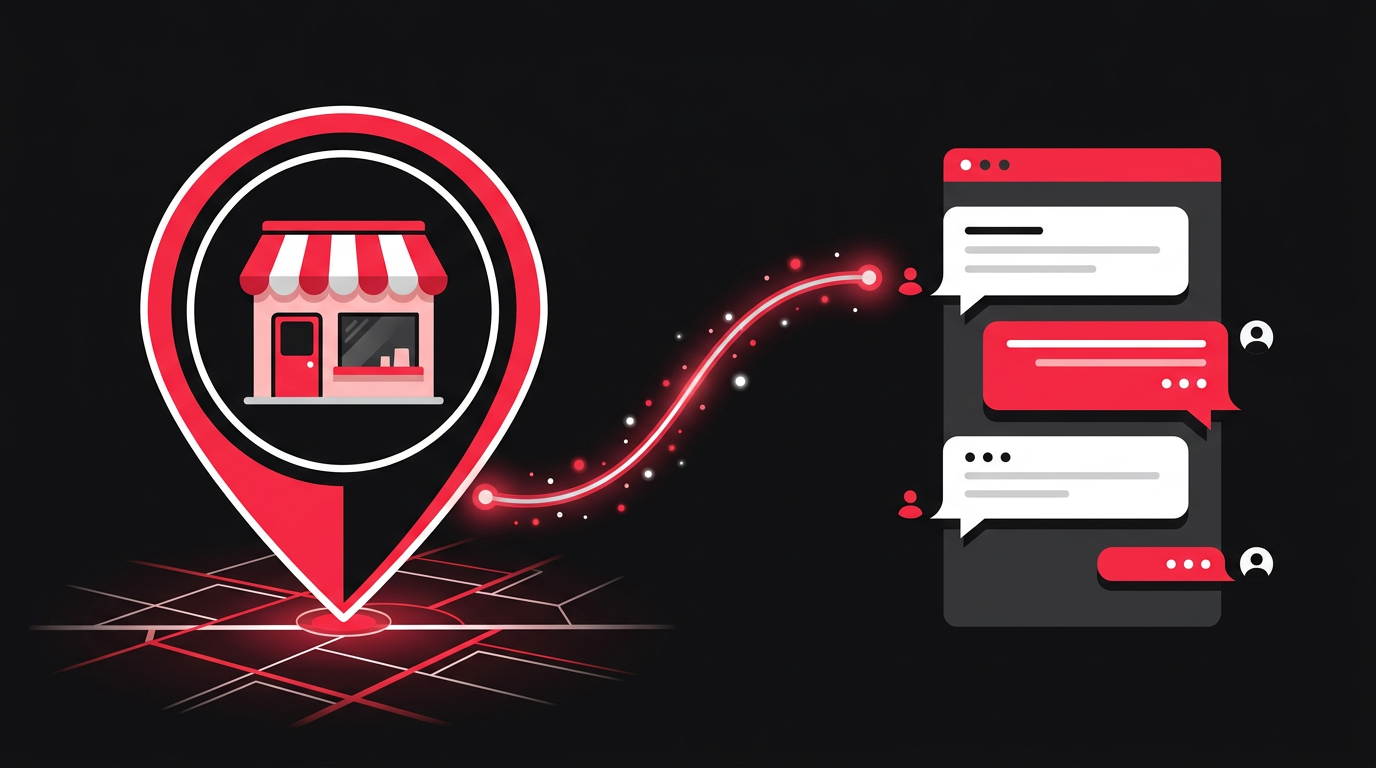
There are similarities, but they are not interchangeable. Google Business Profile is an established local visibility platform for eligible businesses that meet customers in person. Business Hub is a new way for eligible businesses to provide information to ChatGPT and see limited, aggregated engagement data.
Claiming or verifying either profile does not guarantee that your business will appear prominently, rank well or be recommended.
First, what is the new OpenAI product actually called?
The overall product is Businesses in ChatGPT, launched by OpenAI in beta on 10 November 2026.
Business Hub is the management area within ChatGPT. It is where an eligible business can search for or add its business, submit a claim, complete the required verification and manage the features available to it.
This should not be confused with ChatGPT Business, which is a separate paid workspace product.
OpenAI says eligible businesses located where ChatGPT is available can claim a business. However, its more detailed guidance also says availability depends on the business’s location, type and whether the required verification is supported. That means UK access should not be presented as universal.
Eligible UK online businesses may be offered a route to claim or add a profile. However, OpenAI currently says local shops and restaurants can only claim an existing US listing. There is not yet a complete published list explaining exactly which UK business categories will be accepted.
Business Agents are more restricted again. They are currently available only to eligible ecommerce and online-service businesses in the United States. For more on how AI is changing paid media, see our post on ChatGPT sponsored ads.
ChatGPT Business Hub and Google Business Profile are not the same thing
- Google Business Profile primarily helps eligible local businesses manage how they appear across Google Search and Google Maps.
- Business Hub lets eligible businesses provide information for a business profile in ChatGPT and see limited information about how ChatGPT references or links to them.
Google Business Profile has been developed over many years around local search and map-based discovery. Businesses can maintain details such as their address or service area, opening hours, phone number, website, category, photographs, services and other attributes. They can also receive and respond to reviews.
Businesses in ChatGPT is much newer. Once the necessary approvals are complete, an eligible business may be able to update its website, description, product or service category, logo, cover image and policies. Product businesses may also be able to connect a product feed containing information such as prices and availability.
OpenAI says information supplied by a business can be reviewed before it is published. ChatGPT may also continue to use information from other sources when answering questions.
A practical comparison
| Area | Businesses in ChatGPT / Business Hub | Google Business Profile |
|---|---|---|
| Main purpose | Help ChatGPT understand and present current information supplied by an eligible business | Manage how an eligible local business appears on Google Search and Maps |
| Current status | Beta | Established public platform |
| UK availability | Some eligible businesses may be able to claim; access depends on location, business type and supported verification | Available in the UK to eligible shopfront, service-area and hybrid businesses |
| Online-only businesses | Potentially eligible, depending on OpenAI’s checks and current availability | Normally ineligible because Google requires face-to-face customer contact |
| Local shops and restaurants | OpenAI currently says these can claim only an existing US listing | Eligible in the UK if they meet Google’s rules |
| Verification | May involve a business phone, business email, domain DNS record or Shopify, followed by approval and Persona identity verification | Google chooses the available method, which may include phone, email, video or post |
| Information managed | Website, description, category, logo, images and selected delivery or returns information; availability varies | Address or service area, hours, phone, website, categories, services, photos, attributes and other local information |
| Product information | Eligible businesses can connect supported product feeds, including Shopify or CSV feeds | Some eligible retailers can display in-store products |
| Reviews | No equivalent public business-review management feature has been confirmed | Businesses can receive and respond to Google reviews |
| Measurement | Aggregated 28-day mentions, website clicks and discovery topics, subject to thresholds and availability | Views, searches and applicable interactions such as calls, website clicks, directions, bookings and product views |
| Customer conversations | Business Agents are currently limited to eligible US ecommerce and online-service businesses | Customer interaction features vary, but Business Profile is not an AI sales agent |
| Effect on visibility | Claiming does not guarantee greater visibility or a recommendation | Verification does not guarantee a high local ranking |
What can a business currently claim and verify?
In ChatGPT
If your business is eligible, Business Hub may let you claim an existing business or add an eligible online business. OpenAI may offer one of several initial verification routes:
- A code sent to a business phone.
- A code sent to a business email address.
- A DNS record added to the business’s website domain.
- A connection to a Shopify store.
Approval of that initial claim is not the end of the process. OpenAI says Persona identity verification is required before a business can publish changes, connect a product feed, view insights or create a Business Agent where eligible.
The blue verification mark appears after Persona verification has been approved, not simply because an initial claim has been submitted.
Businesses may need to provide identification, business registration information and evidence that the person completing the process is authorised to represent the organisation.
In Google
Eligible businesses can add a new Google Business Profile or claim an existing unverified profile.
Google chooses which verification methods are available. These can vary according to the business type, public information, location and opening hours. Depending on the business, verification may involve phone, email, video, a live video call or a code sent through the post.
Google Business Profile is intended for businesses that have face-to-face contact with customers. This includes:
- Businesses with a genuine shopfront or customer-facing location.
- Service-area businesses that travel to customers.
- Hybrid businesses that serve customers at their premises and travel or deliver to customers.
Online-only businesses, lead-generation companies and virtual offices that do not meet Google’s requirements are generally ineligible.
What can businesses currently manage?
A verified Google Business Profile can provide extensive control over the factual information shown on Google Search and Maps. Depending on the business category, that may include:
- Business name and category.
- Address or service area.
- Opening and special hours.
- Telephone number and website.
- Services, products and attributes.
- Photographs and videos.
- Customer reviews and responses.
- Booking or other relevant action links.
Business Hub currently offers a narrower set of management features. After the relevant approvals, an eligible business may be able to update:
- Its website.
- Its business description.
- Its product or service category.
- Its logo and cover image.
- Delivery and returns information.
- Supported product feeds, including current prices and availability.
The exact options available will depend on the business and its eligibility.
Businesses should also be aware that saving a change in Business Hub does not mean it will immediately appear in every ChatGPT answer. OpenAI reviews submitted changes, publication can take time and ChatGPT may use other sources as well.
What can businesses measure?
Google Business Profile performance data is available to verified profiles. Depending on the type of business and enabled features, this can include:
- The searches people used to find the profile.
- Profile views on Search and Maps.
- Calls made through the profile.
- Website clicks.
- Direction requests.
- Bookings, messages and other applicable interactions.
These are useful indicators, but they are not all confirmed enquiries or sales. A website click is still a click. A call-button interaction is not automatically a qualified lead.
Business Hub provides a newer and more limited set of aggregated insights covering the previous 28 days:
- Mentions: For an online business, this counts when ChatGPT references the business’s website. Mentioning the brand name without referencing the website does not count.
- Website clicks: Clicks from ChatGPT to the business’s website.
- Discovery topics: Common themes in answers where the business was mentioned or cited.
OpenAI does not give businesses access to individual customer prompts or conversations. Discovery topics are aggregated themes and are not a direct measure of customer intent.
The figures can also be incomplete. A blank result might mean the reporting threshold has not been reached, data is still being collected or the metric is unavailable. It does not necessarily mean there was no activity.

Why verification does not guarantee visibility
Verification confirms that someone is authorised to manage information about a business. It is not a visibility switch.
Google explains that its local results are mainly influenced by relevance, distance and prominence. A verified profile with incomplete information, weak reviews or limited wider authority may still be less visible than a stronger competitor. There is no way to pay Google for a better position in its independent local results.
OpenAI is equally clear that claiming a business does not guarantee increased visibility or give the business control over ChatGPT’s independent recommendations. Connecting a product feed does not guarantee that a product will be recommended either.
A blue check confirms verification. It does not mean that OpenAI endorses the business, considers it the best option or will recommend it more frequently.
This is why I would be wary of anyone selling “guaranteed ChatGPT rankings” or promising to make a business the recommended answer. Our post on AI SEO myths covers more of these claims.
What businesses can sensibly do now
Whether your immediate priority is Google, ChatGPT or another discovery platform, most of the useful work starts with the same foundations. Our checklist for preparing your website for AI search is a good companion to this section.
1. Make your business easy to understand
Your website should make the essentials clear:
- What you sell or provide.
- Who it is for.
- Where you work or deliver.
- The problems you solve.
- Why someone should choose you.
- What the visitor should do next.
Avoid relying on one broad services page to explain everything. Important services, products and customer needs usually deserve clear, focused pages of their own, such as dedicated SEO and Google Ads management pages.
2. Improve the structure of your website
Good structure helps people, search engines and AI systems understand how your information fits together. That includes:
- Descriptive page titles and headings.
- Logical navigation.
- Relevant internal links.
- Clear service and location pages where they are genuinely useful.
- Accessible, indexable content.
- Appropriate structured data.
- Consistent contact and business information.
Structured data can help describe a page, but it is not a shortcut to visibility and does not force an AI system to recommend the business.
3. Keep your business information consistent
Check your business name, address or service area, telephone number, website and opening hours across the places where customers may find you. That includes your website, Google Business Profile, relevant directories, industry bodies, social profiles and, where available, Business Hub.
The objective is not to create hundreds of low-quality directory listings. It is to remove avoidable contradictions and maintain accurate information on credible platforms.
4. Answer the questions real customers ask
Useful content should reflect genuine buying decisions rather than simply repeating target keywords. Depending on the business, this might include:
- Clear explanations of individual services.
- Comparisons between suitable options.
- Pricing factors and what affects a quotation.
- Delivery areas and timescales.
- Processes, limitations and eligibility requirements.
- Frequently asked questions.
- Case studies showing the problem, work and result.
- Guidance that helps a buyer decide whether the service is right for them.
This supports traditional SEO while also giving AI systems clearer source material when they are answering detailed questions. We explore this further in how small businesses can improve their AI search visibility.
5. Show evidence of expertise
Saying that you are an expert is less persuasive than demonstrating it. Useful evidence can include:
- Named and accountable authors.
- Relevant qualifications and professional memberships.
- Detailed case studies.
- Original photographs of work, staff or premises.
- Clear policies and company information.
- Specific examples and first-hand experience.
- Verifiable reviews and testimonials.
- References or links from credible industry and local websites.
Do not invent reviews, awards, qualifications or results. Both customers and platforms need information they can trust.
6. Strengthen your wider online credibility
A business is not judged only by the claims on its own website. Relevant coverage, genuine customer reviews, professional profiles, industry recognition, local citations and links from credible websites can all strengthen the wider picture.
This is where digital PR, local visibility, reputation management and conventional authority-building continue to matter. AI discovery has not made those fundamentals obsolete.
7. Measure meaningful actions
Track more than impressions and mentions. Where possible, connect visibility activity with:
- Relevant website visits.
- Calls and contact-form submissions.
- Bookings or quote requests.
- Ecommerce transactions.
- Lead quality.
- Revenue or another meaningful commercial outcome.
Business Hub insights could become a useful additional signal. They should not be treated as a complete measurement system or proof that every mention generated an enquiry.
Traditional SEO, local visibility and AI discovery work together
Businesses do not need to choose between “old SEO” and “AI SEO”.
Traditional search still helps people find detailed pages when they have a clear need. Google Business Profile supports local discovery and provides practical information at the point of search. AI assistants can help people research a problem, compare approaches and identify potential providers.
The route may be changing, but the business still needs to be clear, credible and relevant when somebody investigates it.
My approach is therefore not to chase a supposed ChatGPT trick. I help established businesses improve the underlying content, technical structure, business information, authority signals and measurement needed to attract relevant enquiries across search, local platforms and emerging AI journeys, as part of a wider digital strategy.
There is no guarantee that ChatGPT will recommend a particular business. There is, however, a practical process for identifying where a business is unclear, inconsistent, difficult to verify or missing useful evidence.
AI visibility review
Request an AI visibility review
If you want to understand how clearly your business is represented across your website, traditional search, local results and AI-assisted discovery, you can request an AI visibility review from Not Just Digital 101.
I will look at the current evidence, identify practical gaps and explain which actions are worth prioritising. The aim is not visibility for its own sake. It is to help established businesses become easier for the right potential customers to find, understand and contact.
Official sources
Facts and availability checked on 13 November 2026.
- OpenAI: Introducing Businesses in ChatGPT
- OpenAI Help: Setting up your business on ChatGPT
- OpenAI: Businesses in ChatGPT policy
- Google: Get started with Google Business Profile
- Google: Business eligibility and ownership guidelines
- Google: Verify your business
- Google: Understand Business Profile performance
- Google: Tips to improve your local ranking